

Posture has a direct impact on how easily your body can breathe. The way you hold your head, neck, and torso affects the amount of space available for your lungs and diaphragm to work. Poor posture changes that space and makes the body work harder for air.
How Aging Changes Posture
Posture changes with age are common, gradual, and often modifiable. Most changes occur gradually as the body adapts to everyday movement, strength levels, and balance needs.
As we age, posture often shifts due to a few factors:
- Muscle weakness – Core, back, and shoulder muscles lose strength over time, making it harder to maintain upright alignment without support.
- Joint stiffness – Reduced flexibility in the spine, hips, and shoulders limits comfortable movement and encourages rounded positions.
- Balance or mobility changes – Subtle balance concerns may cause individuals to lean forward or widen their stance to maintain stability, which can impact their posture throughout the day.
Common Posture Changes in Older Adults
These physical shifts often lead to predictable posture patterns, including:
- Rounded shoulders – The upper back curves forward, narrowing the chest and limiting natural movement.
- Forward head position – The head drifts in front of the shoulders, increasing strain on the neck and upper back.
- Reduced spinal flexibility – The spine may feel stiffer, making upright posture harder to sustain for long periods.
It is important to note that your posture is not fixed. With the right support, movement, and guidance, you can improve alignment and comfort at any stage.
How Poor Posture Affects Breathing
When posture is off, the body has to work harder to move air in and out. Over time, this makes everyday breathing feel more difficult than it should.
- Reduced lung expansion – When the upper back rounds and the shoulders roll forward, the lungs have less room to expand. This limits the amount of air you take in with each breath.
- Impact on circulation and oxygen flow – The breathing muscles work against tight or collapsed positions, which impacts how well oxygen is delivered to your body.
How This Shows Up in Daily Life
Bad posture and breathing problems often show up in simple, everyday moments, such as:
- Shortness of breath while walking or climbing stairs
- Fatigue during basic tasks like dressing or household chores
- Increased discomfort when sitting for long periods
Why Good Posture Supports Easier Breathing
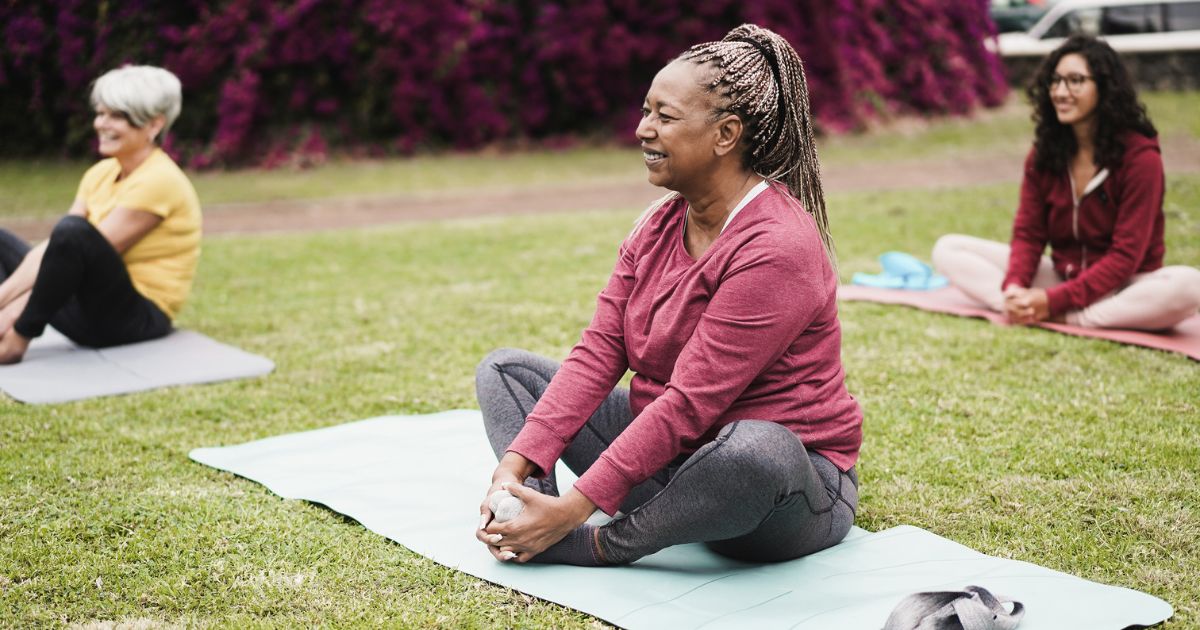
Good posture is not about forcing your body into a "perfect" position. It is about giving your body the support it needs to breathe with less effort.
- Upright alignment allows the diaphragm to move more freely. With the chest open and the spine supported, the diaphragm lowers and rises as it should. This makes it easier to take full breaths without feeling tight or restricted.
- Supportive posture also encourages deeper, slower breathing. When the body is well-aligned, breathing tends to become steadier and more controlled, rather than quick or shallow. This helps reduce the feeling of being short of breath during everyday activities.
- Good posture reduces strain on the neck, shoulders, and chest. Less tension in these areas means the breathing muscles do not have to fight against tight or compressed positions so breathing takes less effort and feels more natural.
These benefits improve comfort both at rest and during movement.
Simple Posture Adjustments That Help Breathing
Better posture does not require perfect form or constant correction. Small, comfortable adjustments often make the biggest difference.
Ergonomic Sitting Posture
An ergonomic sitting position helps the body stay supported, making breathing feel easier and less forced.
- Feet flat on the floor. This provides your body with a stable base and helps reduce tension in the legs and lower back.
- Back supported. Use a chair or cushion to support the natural curve of the spine. This keeps the chest open without effort.
- Head stacked comfortably over the shoulders. Let the head rest over the spine rather than leaning forward. This reduces strain on the neck and upper chest.
Ergonomic sitting posture is a tool for comfort, not a rigid rule. If it feels tense or forced, adjust it so it works for you.
Standing and Walking Alignment Tips
Posture during movement matters just as much as it does when sitting.
- Stand tall without stiffness. Lengthen the body gently rather than locking joints or tightening muscles.
- Keep shoulders relaxed. Let them drop naturally instead of pulling them back.
- Maintain a steady, natural breathing rhythm. Breathing should feel smooth and unforced as you move.
These small adjustments support breathing and posture together, making daily movement feel easier and more balanced.
Posture and Breathing Exercises
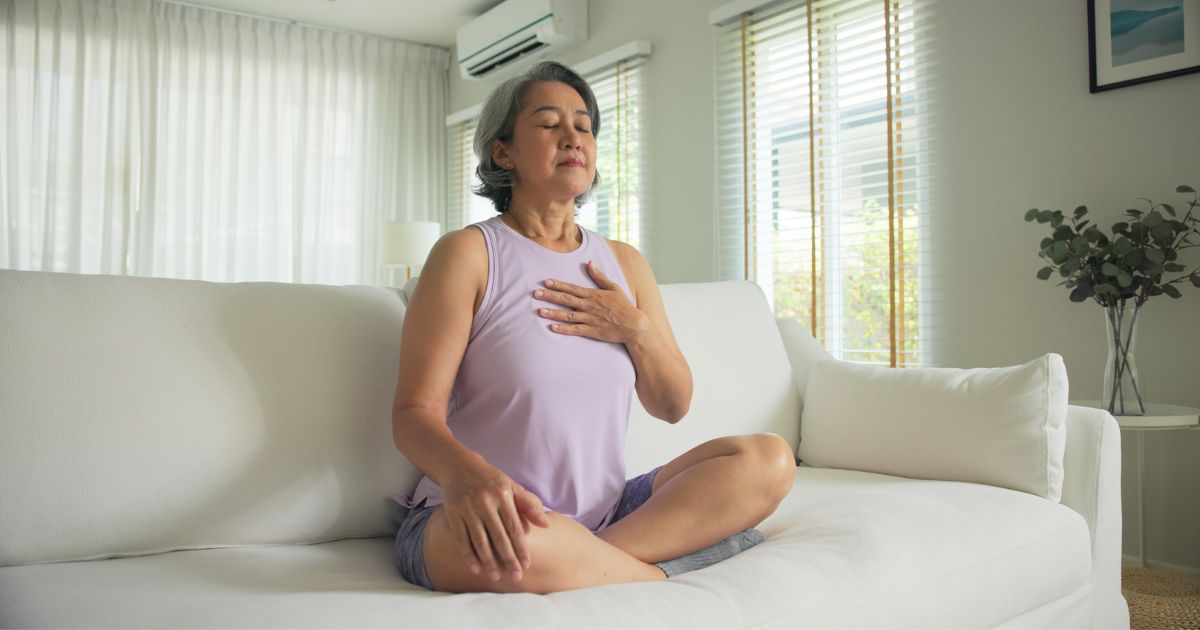
Posture and breathing exercises do not need to be intense to be effective. Simple, gentle movements build confidence and support easier breathing over time. The focus is on comfort, control, and consistency.
Gentle Breathing Exercises
Slow, controlled breathing helps the body relax and work more efficiently. These gentle techniques support functional breathing exercises by helping the diaphragm and ribcage move more freely.
- Breathe slowly and steadily. Inhale through the nose and exhale through the mouth at a relaxed pace.
- Focus on expanding the ribcage rather than lifting the chest. Let the ribs widen as you inhale instead of lifting the shoulders or upper chest.
Posture-Focused Movement
Light movement plays an important role in both posture and breathing. Over time, regular exercise makes breathing feel easier and more natural.
- Gentle stretching to reduce stiffness – Stretching the chest, shoulders, and upper back can relieve tightness that limits breathing space.
- Light strengthening of postural muscles – Simple exercises that support the back and core help maintain upright alignment during daily activities.
For exercises and stretches to help strengthen muscles, read our other guides:
- Exercises for Seniors
- Easy Seated and Bed-Based Exercises
- Everyday Balance and Strength Exercises
- How to Incorporate Mobility Aids into Daily Movement
- Simple Ways Seniors Can Stay Active, Strong, and Confident
How Physical Therapy Supports Posture and Breathing
Physical therapy focuses on how the body functions as a whole. Improving posture creates more space for breathing, while better breathing reduces tension that affects posture. Working on both at the same time often leads to more noticeable and lasting comfort.
Therapy helps improve mobility and flexibility, especially in the spine, shoulders, and hips. When these areas move more freely, it becomes easier to maintain upright alignment.
Physical therapy also strengthens the muscles that support upright posture. Stronger postural muscles help the body maintain proper alignment during sitting, standing, and walking, which reduces the effort required to breathe.
Exercises, pacing, and support are adjusted to meet each person where they are. Services like those offered through Keystone Health focus on providing supportive, personalized care that helps older adults move and breathe more easily in their daily lives.
When To Seek Support
Needing support is not a sign that something is wrong. It is often a practical step toward staying comfortable and active.
Consider professional support if you notice:
- Ongoing shortness of breath
- Posture-related pain or stiffness
- Difficulty with everyday activities
Early guidance can improve comfort, reduce strain, and support easier movement before symptoms have a chance to worsen.
Better Posture Supports Better Breathing
Breathing does not just depend on the lungs. It depends on how supported your body is throughout the day.
Keystone Health offers in-home physical therapy that focuses on improving posture, movement, and breathing in everyday settings by working on strength, mobility, and breathing patterns together.

